
"Harar roast profile"
48000 article(s) found

The tips of ESPRESSO baking start with mixed beans
Talking about mixed beans when we talk about baking espresso beans, we are actually talking about the science of mixed beans. The highest sweet spots of all kinds of coffee beans from different countries appear at different baking points, so bakers must find a balance between baking and mixing beans in order to make a good cup of espresso. This knowledge should start with the degree of baking and the selection of beans

Ethiopian Coffee Harald producing area of High quality Ethiopian Coffee producing Ethiopia
At 1600 to 2400 meters above sea level, the Harald Heights in eastern Egypt is one of the highest elevation areas for human coffee cultivation (some even claim to be as high as 2000 to 2700 meters), overlooking the Yemeni ports of Mocha and Aden across the Gulf of Aden. For centuries, Harald coffee farmers used camels, donkeys or carriages to transport coffee beans to the downhill port of Djibouti, risking being besieged by hyenas.

Brief introduction of Ethiopian Coffee the hometown of Arabica Coffee
Lim G2 Ethiopia is the hometown of Arabica coffee, and you can see wild Arabica coffee in the forests of the Kaffa region. In Ethiopian, coffee is called Bun or Buna, and coffee beans (coffee bean) may be translated from Kaffa Bun. Arabica coffee has long been found in the Harald area, which is very accessible.

Very typical mocha flavor Harald (Harar) production area jasmine strong chocolate smell
The coffee producing areas of Ethiopia are Hidamo, Harald and Sidamo, Harrar and Yirgacheffe. Sidamo and Harrar are provinces and divisions. Sidamo is located in the south of Ethiopia bordering Kenya, and Harrar borders Somalia in the east of Ethiopia. Although Yirgacheffe is a community in the Sidamo region, due to soil composition and water content and other reasons.

Harald (Harar) is located in the Eastern Highlands of Ethiopia with jasmine-scented coffee flavor.
Boutique coffee (specialty coffee) is also called specialty coffee selection coffee. It refers to coffee made from a small number of raw beans with excellent taste grown in an ideal geographical environment. Depending on the special soil and climatic conditions in which they grow, they have outstanding flavor. After strict selection and classification, this kind of coffee is hard in texture, rich in taste and stylish.

Brief introduction of Sidamo Coffee Bean Sidamo Coffee Flavor
Civet coffee (Kopi Luwak) is a recently invented coffee, produced in Indonesia, coffee beans are one of the civets' food range, but the coffee beans cannot be completely digested by the digestive system. The coffee beans are fermented in the civets' intestines and stomach and excreted by the feces. The locals take out the coffee beans in the civet feces and then do the processing, that is, the so-called Kopi Luwak, the taste of this coffee.

How do you brew Harald coffee? can Harald coffee be made with milk? what's the difference in flavor?
For more information on coffee beans, please follow the coffee workshop (Wechat official account cafe_style) Ethiopia produces very complex coffee, so there are different planting areas and varieties that produce unique and unique characteristics in their processed coffee-Harald coffee from natural simplicity and wine, interesting tropical fruits, plums and plums from Lekempti.
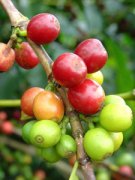
Harald (Harar) Berry delightfully fermented mixed flavors in the Eastern Highlands of Ethiopia
The coffee-producing region of Ethiopia is divided into east and west parts by the East African Rift Valley, with lakes, volcanoes, lowlands, plateaus and woodlands interlaced, each evolving. Ethiopia has the most diverse coffee ecosystem in the world (forest coffee, semi-forest coffee, pastoral coffee and plantation coffee), which also preserves its rich Arabica genes. The eastern half is mostly plateaus, coffee beans.

Sidamo Coffee Bean Introduction, Sidamo Coffee Growing Flavor
Pay attention to the coffee comment (Weixin Official Accounts vdailycom ) and discover a beautiful cafe to open its own shop Name: Ethiopia Democratic Federal Republic (Ethiopia) Location: Located in the plateau of northeastern Africa. Neighboring countries: North Eritrea, South Kenya, East Somalia Djibouti, West Sudan Land area
World boutique coffee variety introduction Harald (Harar)
The Harald coffee variety is a common variety in the Harald region of western Ethiopia, characterized by a strong tree species and a high yield of coffee; but it is easy to get.

World boutique coffee farm beans; Harald mocha (part 1) in Ethiopia has a delicate and rich taste
[product name]: Ethiopia Harald Mocha (Ethiopia Harar Mokha) [quality rating]: DP Grade 4 [baking]: recommended moderate baking (Medium Roast or City Roast) [grade]: excellent [granule]: ★ full [acidity]: ★★★★ slightly sour, dark chocolate aftertaste [balance]: ★★★★ is very stable
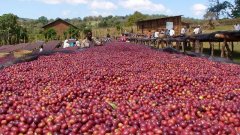
Harald Gimar Kim Bilim of Costa Rica Coffee country Sidamo Yega Chuefei
Ethiopia is called the hometown of coffee, not only because it is the earliest birthplace of coffee in the world, but also because it is a place where coffee is everywhere. There is a custom in this birthplace of coffee that no matter how poor and miserable people are, they must have a coffee pot and a charcoal stove in their home. Because the local people think they have to
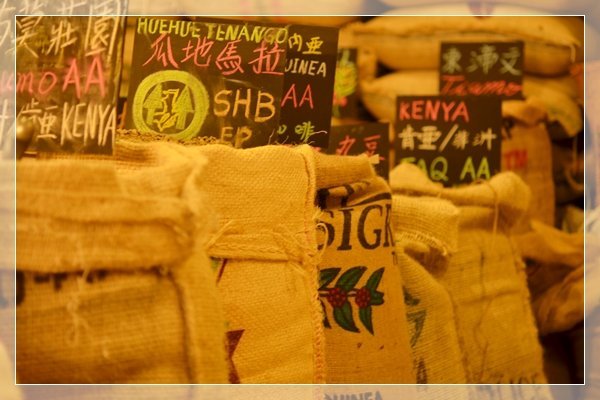
Ethiopia-Ghimbi, Sidamo, Harar and Yegashefi
Ethiopia's coffee-producing areas are divided into east and west parts by the Great Rift Valley. Lakes, volcanoes, lowlands, plateaus and woodlands alternate and evolve independently. Ethiopia has the most diverse coffee ecosystem in the world (forest coffee, semi-forest coffee, pastoral coffee and plantation coffee), which also allows it to preserve its rich Arabica genes. The eastern half is mostly plateau, coffee beans

Ethiopia coffee producing area introduction Sidamo, Harar and Yega snow fly varieties
Ethiopia's coffee producing regions are Sidamo, Harrar and Yirgacheffe. Sidamo and Harrar are provinces and divisions. Sidamo is located in the south of Ethiopia and adjacent to Kenya. Harrar borders Somalia in the east of Ethiopia. Although Yirgacheffe is a small area in Sidamo region, due to soil composition and water content, etc.

Introduction to the flavor and taste of Ethiopian coffee beans grade classification of Ethiopian Sidamo coffee beans
Ethiopia has unique natural conditions suitable for growing all imaginable varieties of coffee. As a upland crop, Ethiopian coffee beans are mainly grown in areas between 1100 and 2300 meters above sea level, roughly distributed in southern Ethiopia. Deep soil, row

Introduction to coffee varieties: Harald (English name: Harar)
A general conventional variety of the Harald region of western Ethiopia characterized by a strong tree species and a high yield of coffee; but it is easy to get.

A brief introduction to the difference between the flavor characteristics of Ethiopian coffee beans recommended by Huakui 6.0 and Yega Xuefei
Professional coffee knowledge exchange more coffee bean information please follow the coffee workshop (Wechat official account cafe_style) front street-Yejia Xuefei, Huakui flavor brewing sharing Saifu has unique natural conditions, suitable for growing all imaginable coffee varieties. Ethiopian coffee beans as

Medium-roasted Ethiopian Yega Snow Coffee introduces boutique coffee
The main producing areas of Ethiopian coffee are Harald (Harar) in the east, Djimmah (southwest) and Sidamo (south). The unique fragrance of Yirgacheffe comes from Yirga, a small town in the northwest of Sidamo province. Yirgacheffe is a global coffee connoisseur.

How to drink Harald Coffee _ introduction to the main flavor of African Manning-Harald coffee
Professional coffee knowledge exchange more coffee bean information please follow the coffee workshop (Wechat official account cafe_style) do you still know the story of the shepherd who originated from coffee? Once upon a time, there was a town in southern Ethiopia, Kafa, where some red fruits grew. While herding the sheep, a shepherd found that the sheep were very excited after eating the fruit.

Taste characteristics of fermented natural sun-cured Ethiopian coffee varieties introduction to the flavor of fine coffee beans in the manor
Ethiopia has unique natural conditions suitable for growing all imaginable varieties of coffee. As a upland crop, Ethiopian coffee beans are mainly grown in areas between 1100 and 2300 meters above sea level, roughly distributed in southern Ethiopia. Deep soil, well drained soil, weakly acidic soil, laterite and soil are soft and contain